From India's first electric fishing vessel to quiet public ferries on busy waterways, here's where Seagö propulsion is already at work.
 Case 01 · Maharashtra
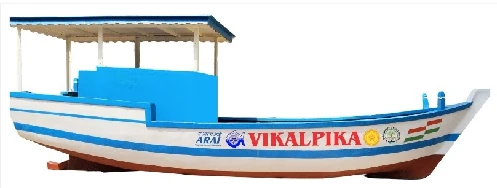
In partnership with ICAR-CIFT (Central Institute of Fisheries Technology) Mumbai, Seagö delivered "Vikalpika" — India's first electric fishing vessel — launched in May 2025. The project set out to prove that commercial fishing fleets could move to zero-emission propulsion without giving up the power and duty-cycle fishing crews depend on every day.
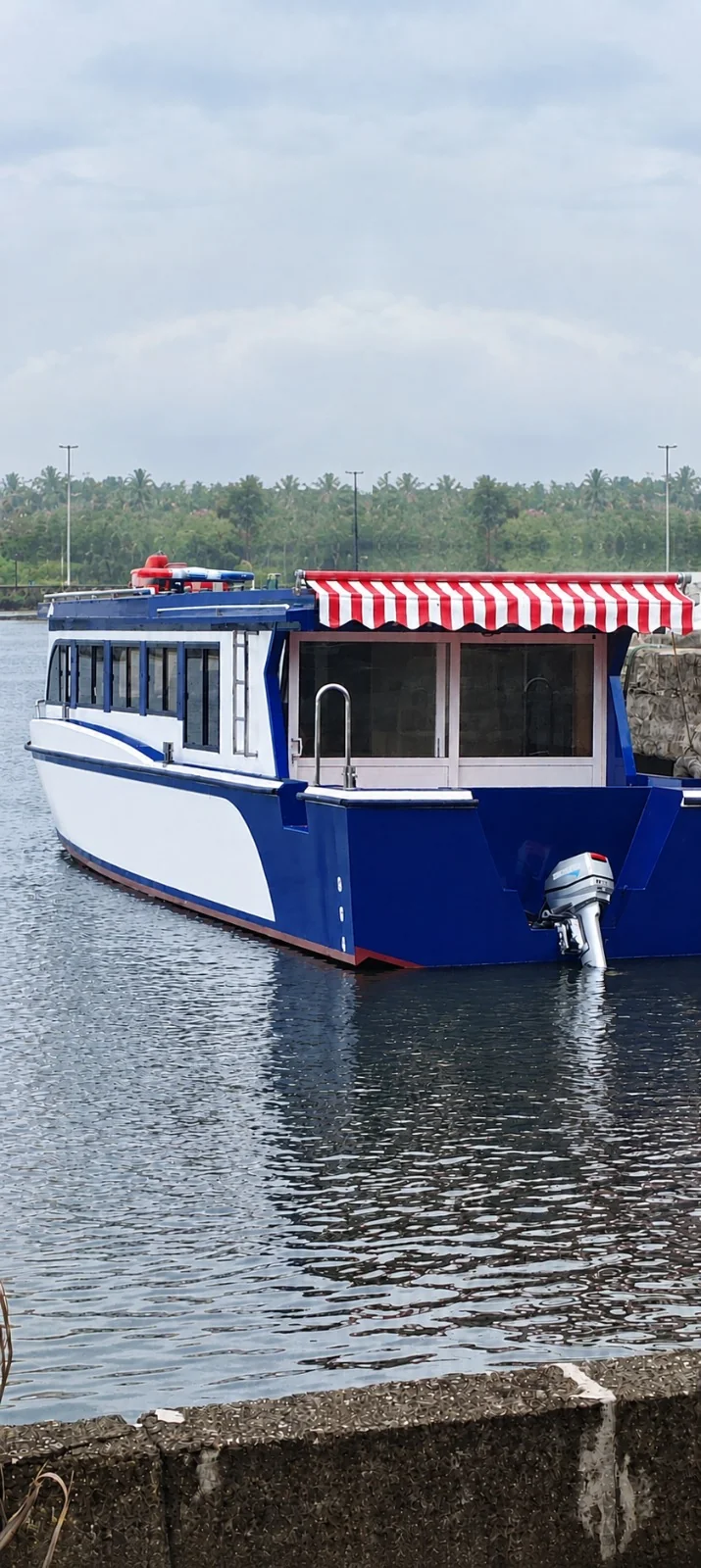
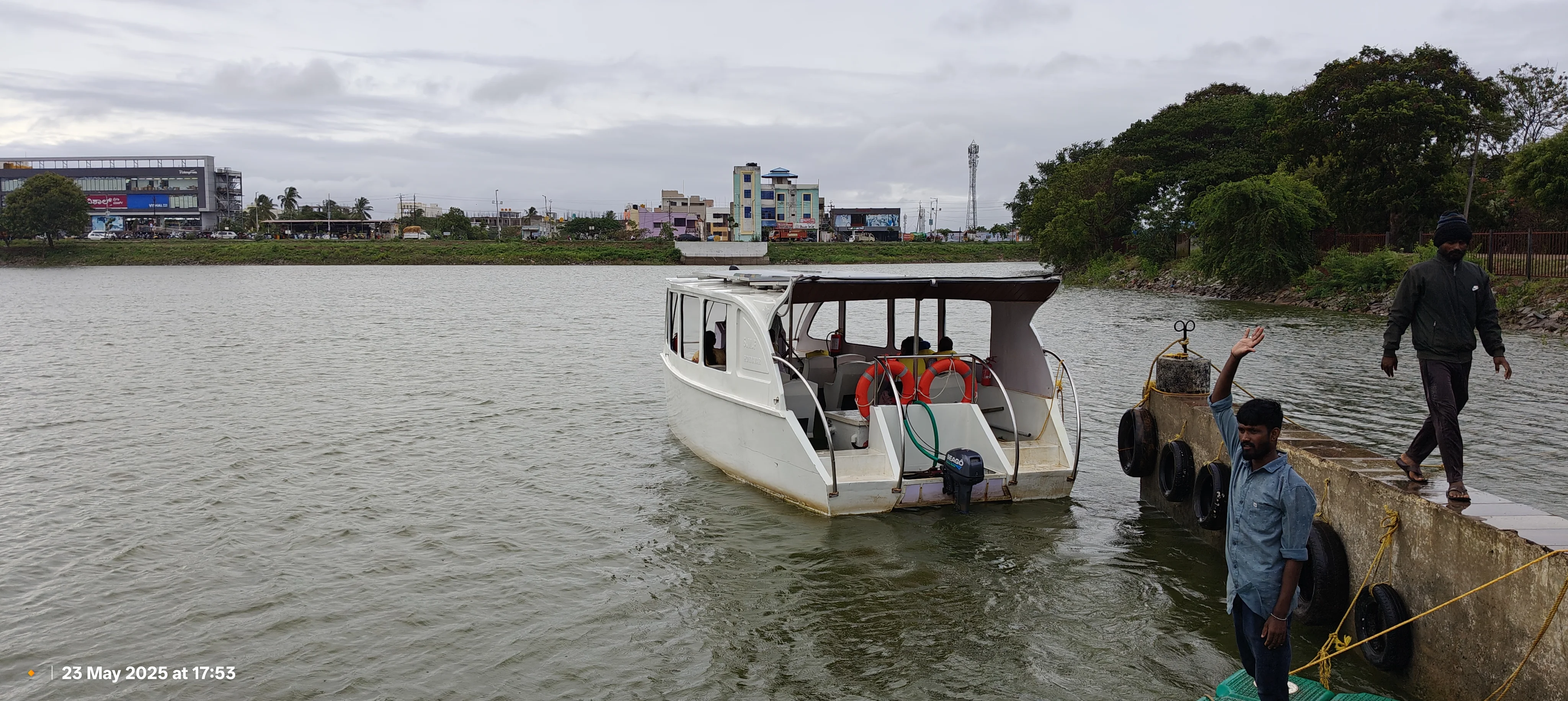
Seagö outboards power passenger ferries on busy routes — cutting fuel cost, noise, and exhaust on waterways where hundreds of people commute every day. Electric propulsion means lower running costs per trip and a quieter ride for everyone on board.
 Case 02 · Kerala
 Case 03 · Karnataka
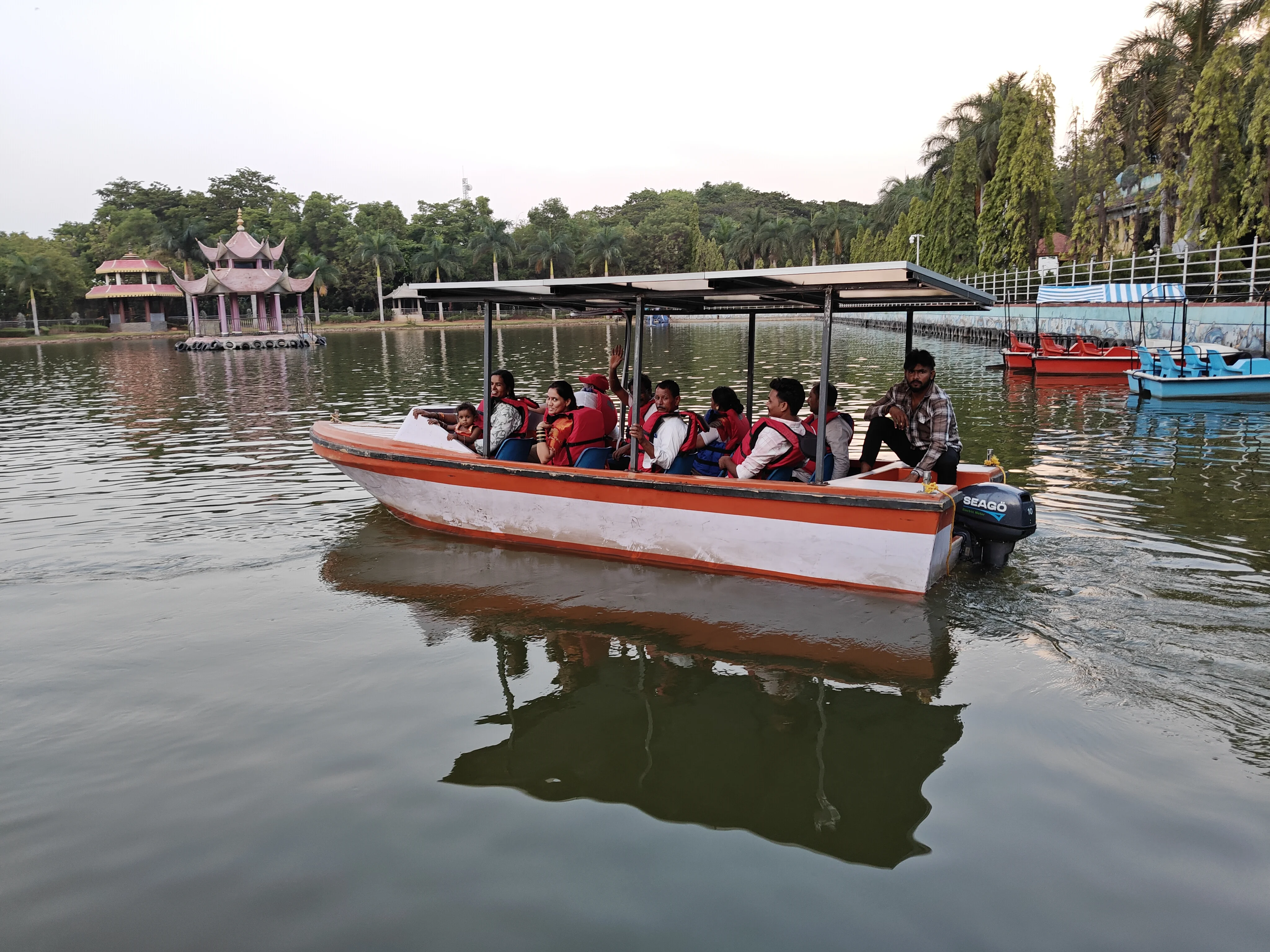
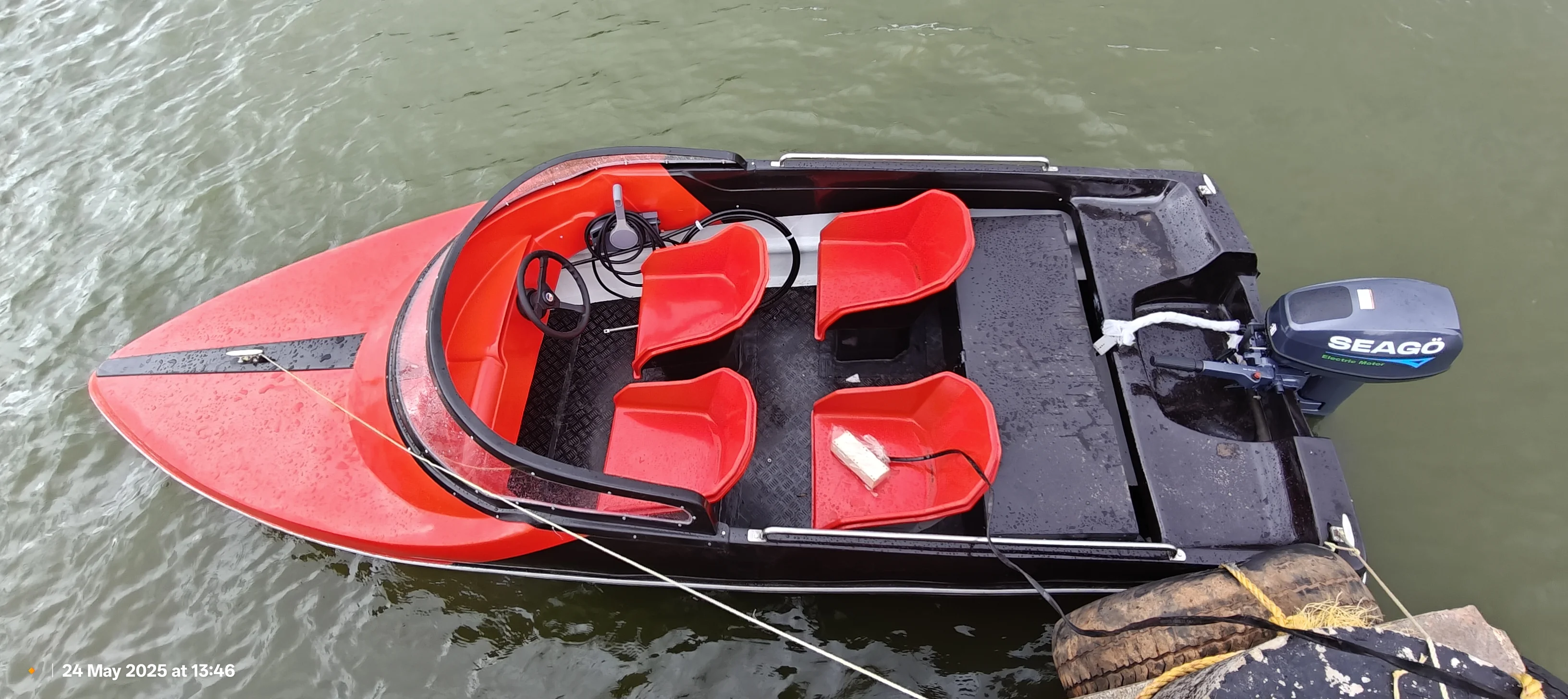
Karnataka's heritage waterways around Hampi, Hubli, Gadag, Bagalkot, and Honnavar see heavy tourist traffic — and heavy noise and exhaust from conventional boats. Seagö's electric tourism boats give operators a quieter, exhaust-free ride that better suits sites where visitors come for the scenery and the history, not the sound of an engine.
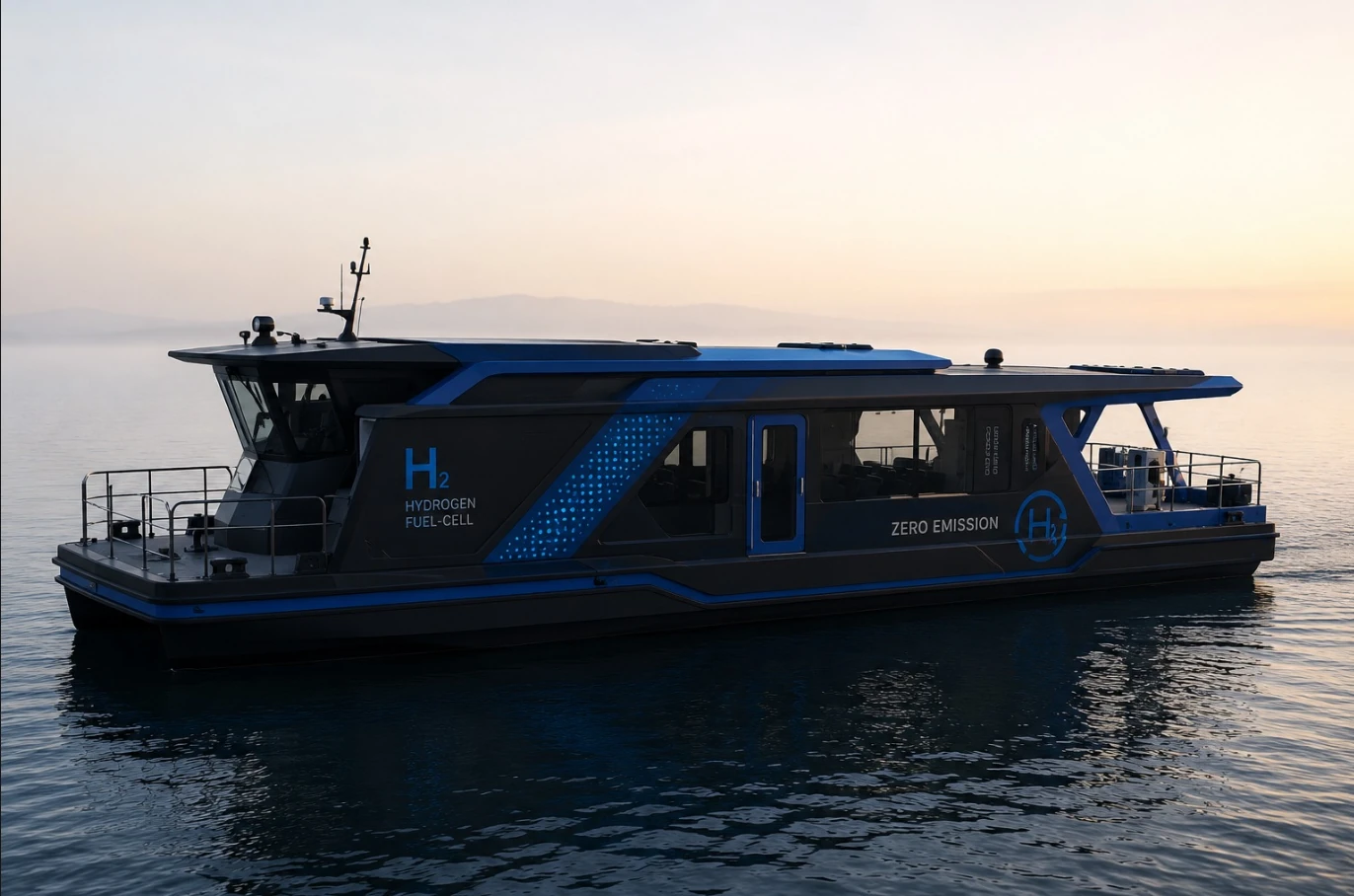
Seagö, in collaboration with the Indian Maritime University (IMU), has successfully completed R&D on a hydrogen fuel-cell boat — research into what comes after lithium for clean waterways. The programme is now closed with no further R&D required. The partnership continues with a second collaborative project focused on the future of the fishing industry.
 Case 04 · Completed
Whether it's a single boat or a multi-vessel deployment, tell us the details and we'll help you scope it.